Should I Film in Landscape or Portrait?
The honest answer is the one nobody likes: it depends entirely on where the video is going to live. There's no universally correct orientation, only the right one for the destination. Shoot for the place the video will actually be watched, and the decision makes itself.
I'm a documentary director and videographer based in Belfast, and I shoot both orientations constantly depending on the job. Here's how to decide.
When portrait wins
Portrait, or vertical, is built for the phone. If your video is destined for Instagram Reels, TikTok, YouTube Shorts, or Stories, it should be shot vertically.
The reason is simple. People hold their phones upright, and vertical video fills the entire screen. A landscape video on these platforms sits in a small box with dead space above and below, which immediately signals that the content was made for somewhere else and repurposed lazily. On a feed where you have less than a second to stop a thumb, that wasted space costs you the view. If social-first, mobile-first content is the goal, shoot portrait and frame for it deliberately.
When landscape wins
Landscape, or horizontal, is the language of "proper" video. YouTube, your website, television broadcast, a film playing on a screen at an event, a presentation: all of these want landscape.
It's how our eyes naturally take in a scene, it's the format of cinema and broadcast, and it carries a sense of craft and permanence that vertical doesn't. Every film I've made for the BBC and Channel 5 is landscape, because that's the format of the screens they're built for. If your video is the centrepiece of a website homepage or it needs to feel cinematic and considered, landscape is almost always the answer.
The mistake almost everyone makes
The big error is trying to shoot one video and use it everywhere. People film in landscape, then crop it to vertical for social, and end up with a compromised version in both places: heads cut off, framing that doesn't work, important detail lost outside the crop.
If a video matters and it needs to work on multiple platforms, the better approach is to plan for that from the start. Sometimes that means shooting two versions, sometimes it means framing wide enough that a clean vertical crop is possible without losing anything important. Either way, it's a decision you make before you press record, not an afterthought in the edit. Thinking about orientation at the planning stage is one of the quiet differences between content that performs and content that just exists.
So which should you choose?
Strip it back to one question: where will this be watched?
Phone-first and social? Shoot portrait. Website, YouTube, broadcast, or anything that needs to feel cinematic? Shoot landscape. Needs to work in both places and it actually matters? Plan for both from the beginning rather than butchering one into the other.
Get that right and you're already ahead of most of the video out there, which was clearly shot for one place and awkwardly shoved into another.
Frequently asked questions
Is portrait or landscape better for social media? Portrait. Vertical video fills the phone screen on Instagram Reels, TikTok and YouTube Shorts, which is where the vast majority of social viewing happens.
Should businesses shoot video in landscape or portrait? It depends on the platform. Use portrait for social-first content and landscape for websites, YouTube and anything cinematic. For campaigns that need both, plan and shoot for both.
Can you convert landscape video to portrait? You can crop it, but you'll often lose important framing. It's better to shoot with the final orientation in mind, or frame wide enough to allow a clean crop.
Planning a video and not sure how to approach it? Get in touch.
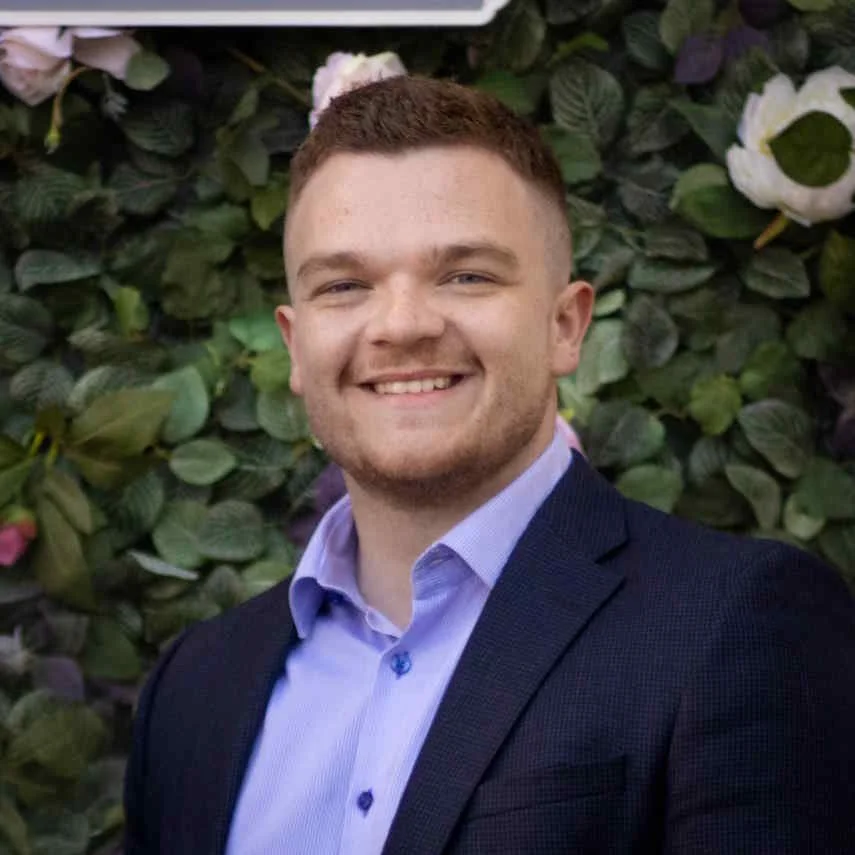
Work with Lloyd Edgar
Lloyd Edgar is a Northern Ireland-based documentary director, shooting producer/director and editor. He shot, directed and edited Rhys McClenaghan: Chasing Gold — a half-hour BBC documentary that began on the True North strand and was selected for national broadcast on BBC One as part of Our Lives, establishing him as one of the youngest directors ever featured in the strand. His follow-up film, Principal Ballerina, following Royal Ballet Principal Melissa Hamilton, was broadcast for the same strands, and he directed a ten-part conservation series for Channel 5.
Alongside his work as a director, Lloyd works as an editor, camera operator, drone pilot and motion graphics designer for both television and commercial productions, with credits for production companies including Ronin Films, Fine Point, CleanSlate and Triplevision. He is, in short, a multi-skilled, broadcast-proven documentary director — a safe pair of hands.
Production companies and executive producers looking for a documentary director or shooting PD in Belfast and across Northern Ireland can get in touch.