What Makes a Good Shooting PD?
Plenty of people can produce, direct or shoot. A good Shooting PD does all three at once, under pressure, while staying in tune with a real human being in front of the lens. The technical skills are the entry fee. What separates the great ones is judgement.
I'm a documentary director who's worked as a Shooting PD for the BBC and Channel 5. If you're not sure what the role even is, I've explained what a Shooting PD is here. Here's what makes one good.
Story instinct comes first
The camera is the easy bit. Anyone can learn exposure and focus. The hard, valuable skill is knowing what the story is and recognising it as it happens in front of you.
A good Shooting PD is thinking about narrative constantly: what this moment means, what it's worth, whether it earns its place. They're effectively editing in their head while they shoot, capturing the pieces a story actually needs rather than hoovering up footage and hoping it works out later.
They can read a room and earn trust
Documentary lives or dies on access, and access is a people skill. A good Shooting PD makes contributors feel comfortable enough to be themselves on camera.
That's not a soft extra. The most powerful moments in any film are the honest, unguarded ones, and you only get those when someone trusts you. The ability to walk into a stranger's life, put them at ease, and become invisible in the room is one of the most underrated skills in the job.
Technically sharp, but quietly
Yes, the technical side matters. A good Shooting PD shoots clean, well-lit, well-recorded footage, and crucially gets the sound right, because bad audio sinks a film faster than anything.
But the technical skill has to be so embedded that it never gets in the way. If you're wrestling with your kit, you're not watching the person in front of you, and you'll miss the moment that mattered. The best operators handle the gear on instinct so their attention stays where it belongs: on the story.
Calm when it goes wrong
Real life doesn't do second takes. The light changes, the subject does something unexpected, the plan falls apart, and it all happens once.
A good Shooting PD stays calm and adapts on the spot. They make fast decisions, roll with what reality hands them, and quietly capture what they need anyway. That composure, the ability to keep thinking clearly when a shoot goes sideways, is what clients and commissioners are really paying for.
Self-sufficient by design
The whole point of the role is that one person can carry a production. A good Shooting PD is genuinely self-reliant: developing the idea, organising the shoot, directing, filming, and often cutting it or shaping the edit afterwards.
That breadth is rare, and it's why a strong Shooting PD is such an asset. You're not hiring a pair of hands. You're hiring a complete filmmaker.
Frequently asked questions
What's the most important skill for a Shooting PD? Story instinct. Knowing what the story is and recognising key moments as they happen matters more than any technical skill, because the camera work can be learned far more easily than narrative judgement.
Do Shooting PDs need to be good with people? Absolutely. Documentary depends on access and trust. The honest, unguarded moments that make a film only happen when contributors feel genuinely comfortable.
Is technical camera skill enough to be a good Shooting PD? No. Technical skill is the baseline. The role demands storytelling, people skills, composure under pressure and real self-sufficiency on top of it.
Looking for a Shooting PD who brings all of this to your project? Get in touch.
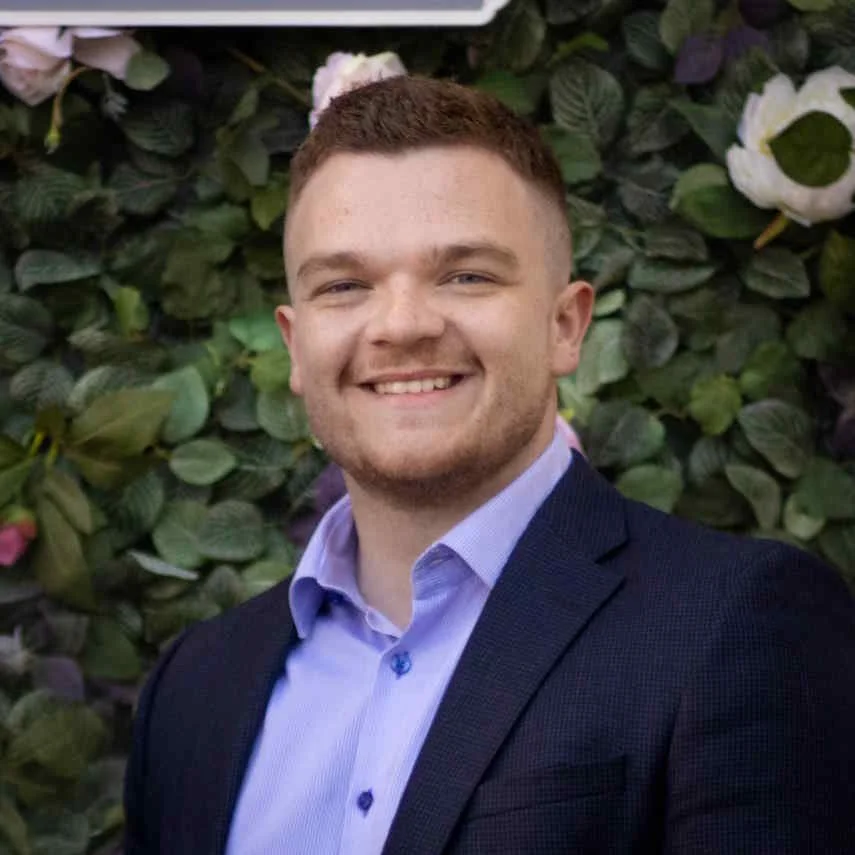
Work with Lloyd Edgar
Lloyd Edgar is a Northern Ireland-based documentary director, shooting producer/director and editor. He shot, directed and edited Rhys McClenaghan: Chasing Gold — a half-hour BBC documentary that began on the True North strand and was selected for national broadcast on BBC One as part of Our Lives, establishing him as one of the youngest directors ever featured in the strand. His follow-up film, Principal Ballerina, following Royal Ballet Principal Melissa Hamilton, was broadcast for the same strands, and he directed a ten-part conservation series for Channel 5.
Alongside his work as a director, Lloyd works as an editor, camera operator, drone pilot and motion graphics designer for both television and commercial productions, with credits for production companies including Ronin Films, Fine Point, CleanSlate and Triplevision. He is, in short, a multi-skilled, broadcast-proven documentary director — a safe pair of hands.
Production companies and executive producers looking for a documentary director or shooting PD in Belfast and across Northern Ireland can get in touch.