What Questions Should You Ask a Videographer Before Hiring?
Hiring a videographer is mostly an exercise in working out, before you've spent a penny, whether this person can actually deliver the thing in your head. The right questions cut straight to that. The wrong ones, or no questions at all, are how people end up disappointed with footage they can't use.
I'm a documentary director and videographer based in Belfast, and I've been on both sides of this conversation many times. Here are the questions worth asking, and what a good answer sounds like.
Can I see work like my project?
A showreel is a highlight reel. What you actually want to see is work similar to what you need: the same kind of subject, format, or setting.
Anyone can cut thirty seconds of their best shots into something impressive. A videographer who can show you a finished piece close to your brief is telling you they've solved your specific problem before. Vague reassurance is not the same as relevant evidence.
Will you personally be shooting it?
This one catches people out. The person who sells you the job isn't always the person who turns up on the day.
Ask directly who will be operating the camera and directing on set. If it's being passed to someone else, you want to know that and see their work too. With me, you get me, which is rather the point of hiring a shooting director rather than an agency.
What's included, and what costs extra?
Price means nothing without scope. A cheap day rate that excludes editing, revisions, music licensing or travel can end up costing more than an all-in quote.
Ask exactly what the figure covers: how many days, how much editing, how many rounds of changes, and what counts as an extra. A good videographer will happily spell this out, because clarity protects both of you.
How do you handle sound?
Here's the question that quietly separates professionals from people with a nice camera. Audiences forgive imperfect images far more readily than bad sound.
If a videographer talks only about cameras and lenses and goes quiet on microphones and recording, be wary. You want to hear about proper radio mics, a boom, and a separate recorder. Sound is half the film, and the pros know it.
What's the turnaround, and who owns the footage?
Two practical questions that save a lot of grief later.
First, how long until you get the edit, and how are revisions handled? Second, who owns the final files and the raw footage, and what can you actually do with the video once it's delivered? Get these answered in writing before you commit, not after.
How do you think about the story?
This is the difference between footage and a film. Beautiful shots that don't add up to anything are just expensive decoration.
Ask how they'd approach telling your story, not just how they'd light it. The answer reveals whether you're hiring someone who points a camera, or someone who thinks about what the video is actually for and builds it to do a job.
Frequently asked questions
What should I ask a videographer before hiring them? Ask to see relevant work, confirm who will actually shoot it, clarify exactly what the price includes, ask how they handle sound, check turnaround and revisions, and confirm who owns the footage.
Why does sound matter so much when hiring a videographer? Audiences tolerate imperfect visuals but not bad audio. A videographer who can't explain their sound setup is a red flag, regardless of how good their camera is.
Should the person I hire be the person who shoots it? Not always, but you should know either way. If the work is being delegated, ask to see the actual operator's portfolio before booking.
Thinking about a video project and want someone who handles the story, the camera and the sound? Get in touch.
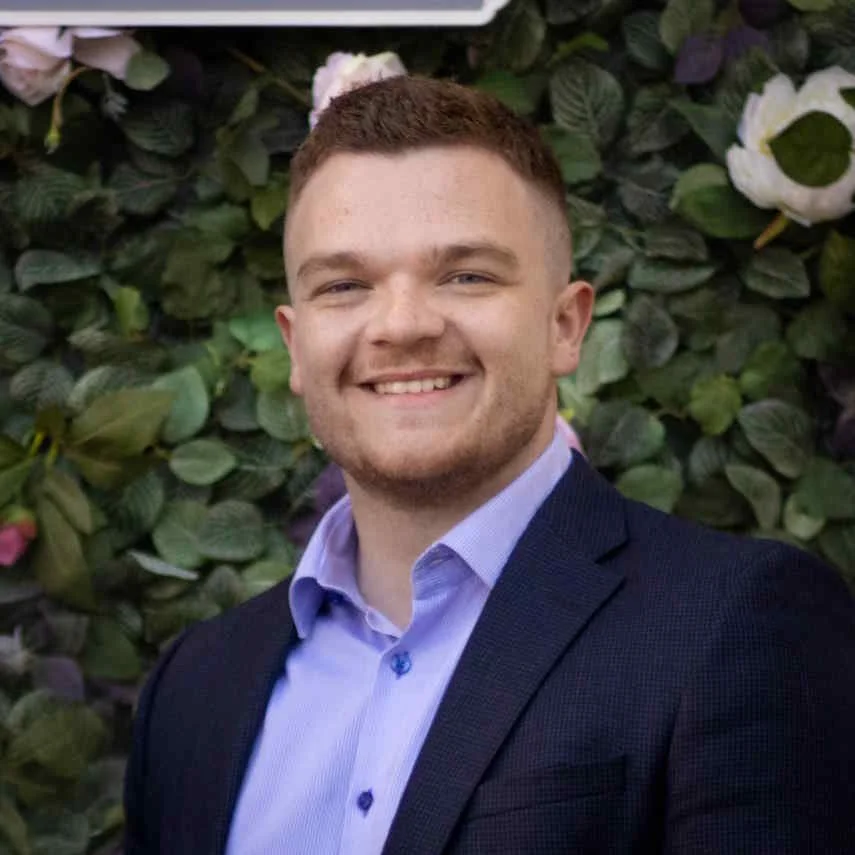
Work with Lloyd Edgar
Lloyd Edgar is a Northern Ireland-based documentary director, shooting producer/director and editor. He shot, directed and edited Rhys McClenaghan: Chasing Gold — a half-hour BBC documentary that began on the True North strand and was selected for national broadcast on BBC One as part of Our Lives, establishing him as one of the youngest directors ever featured in the strand. His follow-up film, Principal Ballerina, following Royal Ballet Principal Melissa Hamilton, was broadcast for the same strands, and he directed a ten-part conservation series for Channel 5.
Alongside his work as a director, Lloyd works as an editor, camera operator, drone pilot and motion graphics designer for both television and commercial productions, with credits for production companies including Ronin Films, Fine Point, CleanSlate and Triplevision. He is, in short, a multi-skilled, broadcast-proven documentary director — a safe pair of hands.
Production companies and executive producers looking for a documentary director or shooting PD in Belfast and across Northern Ireland can get in touch.