How Long Does a Documentary Film Project Take?
Longer than almost anyone expects. A documentary isn't filmed in a week and cut in a fortnight. From the first spark of an idea to a finished film, you're usually looking at a year or more, and there's a good reason for that.
I'm a documentary director who's made films for the BBC. Rather than give you a vague range, let me show you the real timelines of two of my own films.
Chasing Gold: roughly eleven months
Chasing Gold ran from December 2021 to November 2022. Nearly a year, from development through to a finished film on BBC One.
That time wasn't spent filming constantly. It was spent developing the project, shooting at the key moments as they happened, and then shaping all of it in the edit. Documentary follows real life, and real life sets its own schedule.
Principal Ballerina: around eighteen months
Principal Ballerina was longer still, running from August 2024 to February 2026. A year and a half from start to delivery.
A film like this follows a real person through real events over an extended period. You can't compress that. The story needed time to actually unfold, and the job was to be there, filming, as it did.
Why documentaries take so long
The honest answer is that you're not in control of the timeline. Real events are.
You film a competition when the competition happens. You capture a turning point when it arrives, not when it's convenient. Following a story as it genuinely plays out means working to life's calendar, not yours, and that stretches a project across months by necessity.
The phases that eat the time
Broadly, a documentary moves through development, production and post-production, and each takes real time.
Development is finding the story, building trust with contributors, shooting a teaser and getting a commission. Production is the filming itself, often spread across months as events unfold. Post-production is the edit, where hundreds of hours of footage are shaped into a film, with sound, music, grade and rounds of feedback. None of these can be rushed without the result showing it.
What this means if you're commissioning one
If you want a documentary, plan for a long road and start early. A film tied to a specific event needs you in motion well before that event arrives.
The length is a feature, not a flaw. The time is what allows a story to be real, to breathe, and to earn the trust of the people in it. That patience is exactly what separates a genuine documentary from a quick promotional video wearing its clothes.
Frequently asked questions
How long does it take to make a documentary? Typically a year or more from first idea to finished film. My film Chasing Gold took about eleven months and Principal Ballerina around eighteen, including development, filming and the edit.
Why do documentaries take so long to make? Because they follow real life. You film events when they happen rather than on a fixed schedule, which spreads production across months, and the edit takes substantial time on top.
How far in advance should I commission a documentary? As early as possible, especially if it's tied to a specific event. You need to be developing and filming well before the key moments arrive.
Planning a documentary and want to talk timelines? Get in touch.
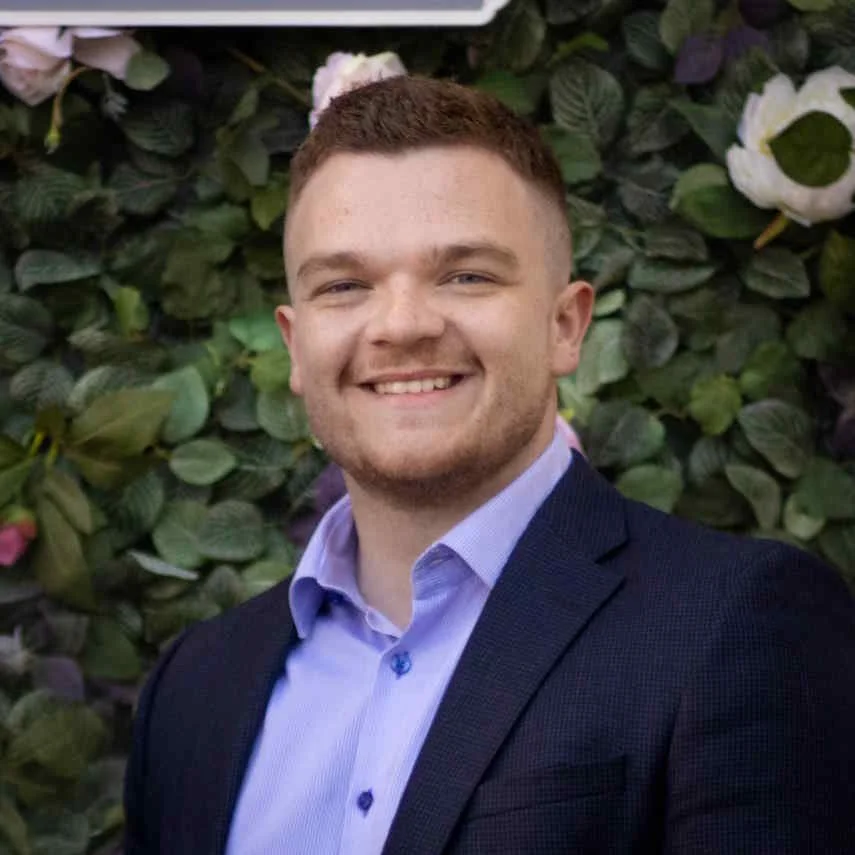
Work with Lloyd Edgar
Lloyd Edgar is a Northern Ireland-based documentary director, shooting producer/director and editor. He shot, directed and edited Rhys McClenaghan: Chasing Gold — a half-hour BBC documentary that began on the True North strand and was selected for national broadcast on BBC One as part of Our Lives, establishing him as one of the youngest directors ever featured in the strand. His follow-up film, Principal Ballerina, following Royal Ballet Principal Melissa Hamilton, was broadcast for the same strands, and he directed a ten-part conservation series for Channel 5.
Alongside his work as a director, Lloyd works as an editor, camera operator, drone pilot and motion graphics designer for both television and commercial productions, with credits for production companies including Ronin Films, Fine Point, CleanSlate and Triplevision. He is, in short, a multi-skilled, broadcast-proven documentary director — a safe pair of hands.
Production companies and executive producers looking for a documentary director or shooting PD in Belfast and across Northern Ireland can get in touch.