What Makes a Good Shooting PD?
If you're an executive producer trying to work out whether a shooting PD is the real deal, the job spec won't help you much. Everyone lists the same kit. Everyone calls themselves a storyteller. The hard part is spotting who can actually carry a film from a half-formed idea to a finished broadcast.
I'm a documentary director and editor based in Belfast. I've made two films for BBC True North and Our Lives, directed a Channel 5 nature series across Northern Ireland, and shot plenty of projects where the entire crew was just me. So here's my honest take on what separates an excellent shooting Producer Director from one who's merely competent.
They earn trust from the people in front of the camera
This is the hardest thing the job asks of you. It's also the most important, and it's the part no showreel can prove.
On Principal Ballerina, my contributor Melissa Hamilton had whole subjects that were off limits when we started. A teacher she wouldn't name. A chapter of her life she wouldn't touch. I didn't push. Over months of filming, she slowly let me in, until eventually she broke down in tears on camera about the very things she'd refused to discuss. That doesn't happen because you're good with a camera. It happens because the person decides you're safe.
Chasing Gold was different. Rhys McClenaghan was a childhood friend, so the trust was already there. We went to primary school together. I knew the rough shape of his whole life before I asked a single question, and that history shaped how I interviewed him.
Then there's Love Nature. Ten conservation stories for Channel 5, ten contributors I had never met. Cold contact, fast turnaround, no shared history to lean on. A good shooting PD has to build rapport quickly there too, because the relationship is the work. The camera is the easy bit.
They can prove the film before it's funded
Here's a quality EPs and commissioners undervalue. A great shooting PD can produce a proof-of-concept teaser early in development, and that teaser does enormous work for the commissioning application.
Chasing Gold started as a teaser I shot in a single day in Dublin. My EP, Ronan McCloskey, lent me his kit, I cut it together, and that piece went straight to the BBC. Principal Ballerina was the same. I self-funded a half-day shoot with Melissa at the Royal Opera House before there was any money on the table. That footage became the spine of the pitch.
Even the projects that fall apart pay off. I once shot a teaser for a film that collapsed at the last minute when the contributors dropped out. Heartbreaking at the time. But the producer liked the teaser so much that he came back to me weeks later with Love Nature instead.
A teaser de-risks the whole thing for a commissioner. It proves the story works. It proves you can direct. It turns a maybe into a yes.
They're resourceful, which is just another word for reliable
This one matters more than people think, and it's the first thing I'd want an EP to know about me.
An executive producer already has enough to worry about. They do not need an inconsistent or unreliable director added to the pile. The sign of an excellent shooting PD is simple. They deliver, whatever goes wrong on the day.
And things go wrong. Once, at an international sporting event, I turned up without the accreditation I needed to film the athlete I'd travelled a long way to capture. Coming home empty-handed would have sunk the project. So I got creative, found a sympathetic person on the inside, and got the shot. Another time, years back, I drove an hour and a half to a client shoot and opened the boot to find it completely empty. I'd left every piece of kit by my front door. I could have cancelled. Instead I called a fellow filmmaker, handed him the entire budget, and we were rolling within the hour.
The wildest one was finishing Chasing Gold. The BBC's blanket licence didn't cover most of my soundtrack, so the music had to be swapped before delivery. I ended up rebuilding nearly every scene around new tracks in a single weekend. Forty hours of work in a forty-eight hour window. I hit the deadline.
Basically, "gets the shot no matter what" isn't a war story. It's the core promise. It's what lets an EP sleep at night.
They carry one vision from pre to post
I shoot, direct and edit alone, with the occasional sound recordist on the bigger jobs. A lone wolf, more or less. Some people see that as a budget convenience. I see it as the whole point.
The strength of it is that you have one person living and breathing the story, completely involved in every stage from development through to the final cut. I build my temp soundtrack before I shoot a single frame, so the music shapes how I film. When I'm on location, I already know what I need, because I'll be the one cutting it. Nothing gets lost in translation between a director and an editor who never spoke.
There's a practical upside too. One vision means fewer points of failure. It makes sticking to a budget far easier. And it means the film that ends up on screen is the film that lived in my head the whole way through.
So what should an Executive Producer actually look for?
Forget the kit list. Look for a shooting PD who can win a contributor's trust, prove the film before it's funded, solve problems on the day without drama, and hold a single vision from the first interview to the final grade.
That's the standard I hold myself to on every project, here in Belfast and wherever the story takes me. If you're an EP or commissioner looking for a documentary director or shooting PD in Northern Ireland, that's the kind of reliability worth hiring.
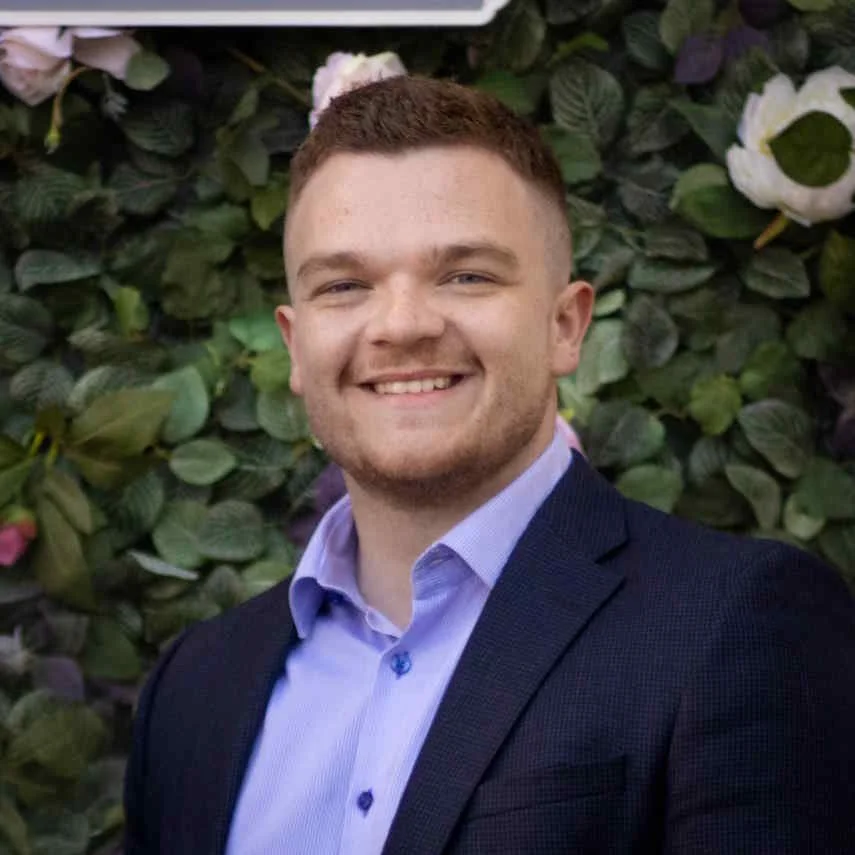
Work with Lloyd Edgar
Lloyd Edgar is a Northern Ireland-based documentary director, shooting producer/director and editor. He shot, directed and edited Rhys McClenaghan: Chasing Gold — a half-hour BBC documentary that began on the True North strand and was selected for national broadcast on BBC One as part of Our Lives, establishing him as one of the youngest directors ever featured in the strand. His follow-up film, Principal Ballerina, following Royal Ballet Principal Melissa Hamilton, was broadcast for the same strands, and he directed a ten-part conservation series for Channel 5.
Alongside his work as a director, Lloyd works as an editor, camera operator, drone pilot and motion graphics designer for both television and commercial productions, with credits for production companies including Ronin Films, Fine Point, CleanSlate and Triplevision. He is, in short, a multi-skilled, broadcast-proven documentary director — a safe pair of hands.
Production companies and executive producers looking for a documentary director or shooting PD in Belfast and across Northern Ireland can get in touch.