How to Develop a Documentary for Broadcast (Before a Single Frame Exists)
Most people think a documentary starts when the cameras roll. It doesn't. It starts months earlier, in the development stage, which is the part nobody talks about and the part that decides whether a film ever gets made at all.
I'm a documentary director based in Northern Ireland. I've developed, pitched and directed two films for the BBC, Chasing Gold and Principal Ballerina, with other projects at various stages right now. I've also been involved in the development of countless projects as an editor and camera operator. So this is the process I actually use, step by step.
Surround yourself with new stories
You can't develop a film if you've got nothing to develop. The raw material is stories, and stories are everywhere if you're paying attention.
Read local news. Follow local social media accounts and influencers. Keep your ears open in conversations, because you never know where the next idea comes from. The single most useful habit you can build is staying curious. The directors who always seem to have something in development aren't lucky. They're just constantly listening.
Reach out and make the first move
If you've spotted an amazing character or story, don't sit on it. Say hello.
Get on the phone if you can, or meet for a coffee to actually talk about their story properly. Keep it human and curious rather than formal and transactional. More often than not, people are flattered by the idea of a film being made about them, and that warmth is the foundation everything else is built on.
One word of caution. Don't promise too much at this stage. There's a long road ahead, and the honest truth is that most ideas never make it to the pitching stage, let alone to a finished film. Be enthusiastic, but be straight with people about how early it is.
Involve a production company
If you don't run a production company yourself, this is the point to bring one in. A production company gives your project credibility with broadcasters, handles a lot of the machinery, and often has existing relationships with commissioners.
If you already have a relationship with a company, now is the time for a casual conversation. Not a formal pitch, just planting the seed and seeing if there's appetite. My BBC films came together this way, developed alongside a producer who could help carry the project into the right rooms.
Develop the idea
Before you go any further, interrogate the idea properly. A few questions to ask yourself:
Is this a single film or a series? How long should it be? Who is the ideal audience? And crucially, which commissioners would actually want this?
You don't need perfect answers yet, but you need a point of view. Knowing roughly where a film belongs and who it's for shapes everything that follows, and a commissioner can tell within minutes whether you've thought about this or not.
Shoot a teaser
Here's where I'd tell you to stop planning and start filming. Don't waste too much time with pen on paper. As soon as you possibly can, get out and shoot something.
A teaser does an enormous amount of work. You'll learn a huge amount about the topic, you'll answer a lot of your own questions about whether the story actually holds, and you'll build a far stronger case for the film than any document could. Both of my BBC films were commissioned off the back of teasers, and the Love Nature series for Channel 5 came from a teaser too. I genuinely believe it's the most important step in the whole process.
Write a treatment
Now that you've got a strong teaser, write the treatment. And notice the order here. The teaser comes first.
That's deliberate. Having gone out and filmed, you'll have a much clearer sense of what the story actually is, where it might go, and what it feels like. That clarity makes for a far better document. You don't need a thousand pages. A tight, well-written two-page treatment that points to where the story goes next is plenty, especially when it's sitting alongside footage that already proves the film.
Send the teaser to a commissioner
The final step is getting it in front of the right person and asking for a conversation.
When you, or the production company you're working with, already have a relationship with a commissioner, this can be as simple as an email to set up a meeting. That's the quiet advantage of doing the earlier steps well. By the time you reach out, you're not a stranger with an idea. You're someone with a proven story, a teaser that demonstrates you can direct, and a clear sense of the film you want to make.
That's development. It's unglamorous, it's mostly conversations and curiosity, and it's where films are really won or lost.
Frequently asked questions
What is documentary development? Development is the early stage of making a documentary, before full funding, where you find the story, build relationships with contributors, shoot a proof-of-concept teaser, write a treatment, and approach commissioners.
Do I need a production company to pitch to the BBC? It's not strictly mandatory, but it helps enormously. A production company brings credibility, existing commissioner relationships, and the production infrastructure broadcasters expect.
What comes first, the treatment or the teaser? Shoot the teaser first. Filming clarifies the story and produces something far more persuasive than a written document, and it makes the treatment that follows much stronger.
If you're a producer or commissioner looking for a documentary director, or you've got a story you think is worth developing, get in touch.
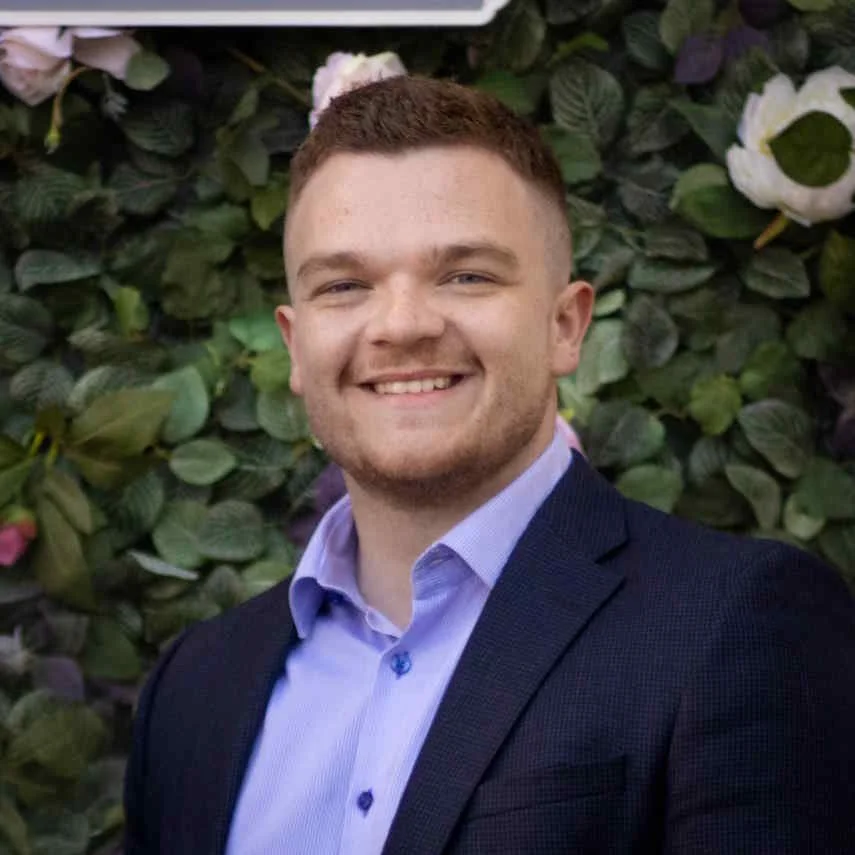
Work with Lloyd Edgar
Lloyd Edgar is a Northern Ireland-based documentary director, shooting producer/director and editor. He shot, directed and edited Rhys McClenaghan: Chasing Gold — a half-hour BBC documentary that began on the True North strand and was selected for national broadcast on BBC One as part of Our Lives, establishing him as one of the youngest directors ever featured in the strand. His follow-up film, Principal Ballerina, following Royal Ballet Principal Melissa Hamilton, was broadcast for the same strands, and he directed a ten-part conservation series for Channel 5.
Alongside his work as a director, Lloyd works as an editor, camera operator, drone pilot and motion graphics designer for both television and commercial productions, with credits for production companies including Ronin Films, Fine Point, CleanSlate and Triplevision. He is, in short, a multi-skilled, broadcast-proven documentary director — a safe pair of hands.
Production companies and executive producers looking for a documentary director or shooting PD in Belfast and across Northern Ireland can get in touch.